 ThePortionLab
Before food enters the stomach, the visual system plays a significant role in portion perception. This article explores how visual cues influence initial portion estimation and the neural mechanisms underlying this process.
Visual Perception & Portion Assessment
The human visual system rapidly processes information about food quantity, plate composition, and arrangement. When presented with a plate of food, the brain performs automatic visual analysis to estimate portion magnitude. This process occurs pre-consciously and influences both food selection and initial consumption expectations.
Research in visual neuroscience demonstrates that contrast perception significantly affects portion size estimation. The visual contrast between food and plate background influences perceived portion magnitude. For example, high-contrast arrangements (dark food on light plates) may appear larger or smaller depending on the specific visual arrangement.
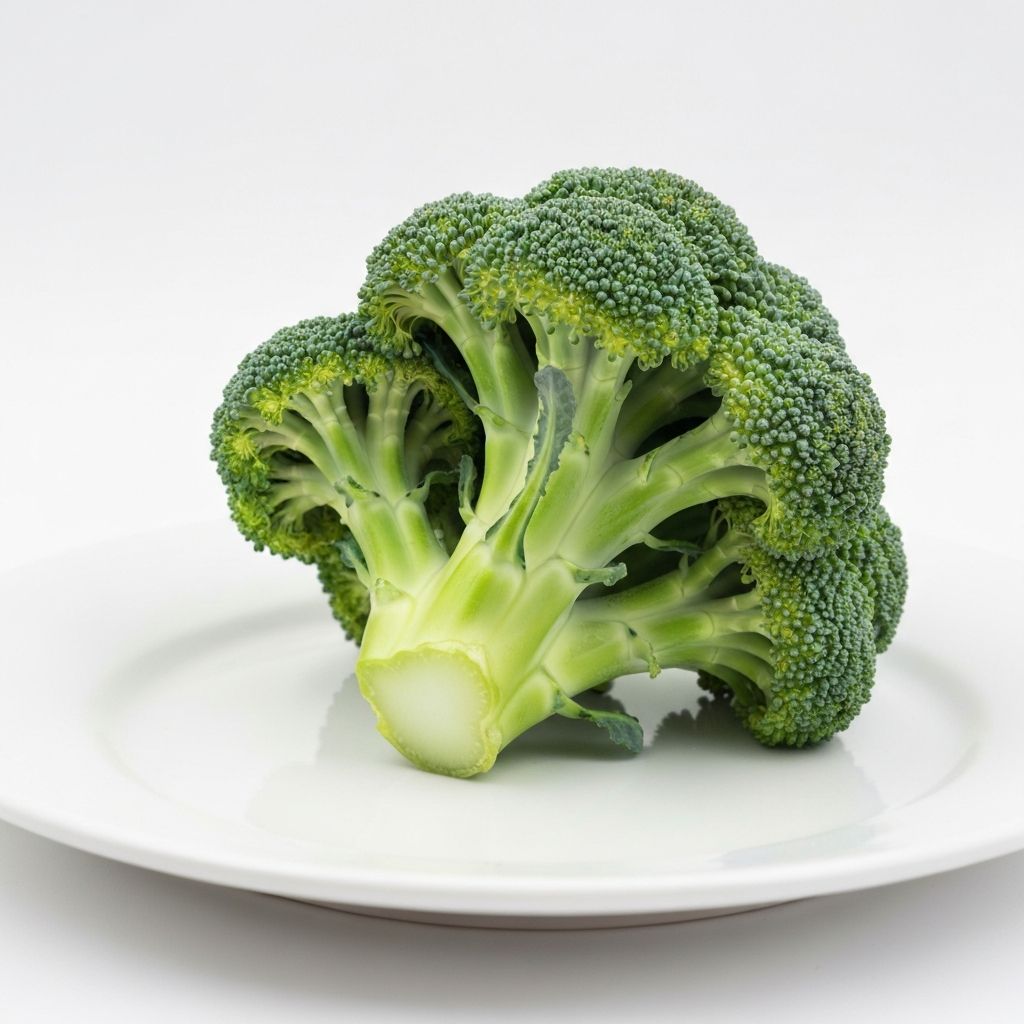
Plate Size & Portion Perception
Classic studies in perceptual psychology have documented relationships between plate size and portion estimation. Smaller plates may increase perceived portion size through relative contrast, while larger plates may decrease perception. However, this is an observation about visual perception, not a mechanism for controlling intake.
The visual brain regions involved—particularly the dorsal visual stream—process spatial relationships and size judgments. These areas compute estimates of food quantity based on visual angle, depth cues, and spatial arrangement relative to the plate.
Color & Visual Processing
Food color influences visual portion perception through multiple pathways. Colored foods activate visual cortex regions specialized for color processing, while the same foods in different colors generate different visual size estimates. This is purely a perceptual phenomenon based on how the visual system processes wavelength and saturation information.
Warmer colors (reds, oranges) may appear to occupy more visual space than cooler colors (blues, greens) of identical size. This is a feature of human color vision, not a behavioral mechanism.
The Prefrontal Cortex & Portion Judgment
The prefrontal cortex—the brain's executive decision-making region—integrates visual portion information with learned associations about food quantity. When you see a portion, your brain automatically retrieves memories of previous similar portions and uses those past experiences to estimate current portion size.
This memory-guided estimation process occurs rapidly and influences initial expectations about whether a portion will satisfy hunger. However, once actual eating begins, physiological feedback loops gradually overtake initial visual estimates as determinants of satiety.
Visual Estimation Accuracy
Research demonstrates that visual portion estimates are frequently inaccurate when compared to actual measured amounts. Individuals systematically misestimate portion sizes, sometimes overestimating and sometimes underestimating actual quantities. This suggests that visual cues alone provide incomplete information about actual portion magnitude.
The inaccuracy is systematic and influenced by context. Familiar foods are estimated more accurately than unfamiliar foods, and portions served in familiar settings are estimated more accurately than identical portions in novel contexts.
Portion Geometry & Visual Shape
The shape and arrangement of food influences visual perception independently of actual portion mass. Vertically-arranged food may appear larger than horizontally-arranged food of identical weight. This is a property of visual perception systems, which judge size partly by how much visual space an object occupies.
Food that is dispersed across a plate occupies more visual space than food consolidated into a smaller area, creating differences in perceived portion magnitude even when actual quantities are identical.
The Visual-Physiological Mismatch
A key finding in nutritional science is that visual portion estimates frequently diverge from physiological satiety responses. A visually-large portion that appears adequate may generate less satiety than expected if the portion is less calorically dense, while a visually-small portion might satisfy hunger strongly if it contains protein-rich foods.
This mismatch occurs because satiety is determined primarily by physiological factors—gastric distension, macronutrient content, hormone signals—rather than visual perception alone. The brain's visual system and hunger regulation systems operate on somewhat independent principles.
Educational Context
This article describes neutral, observational findings about visual portion perception. It does not constitute behavioral guidance or recommendations about how to arrange food. Individual visual perception varies, and visual cues interact with multiple other factors in determining actual eating patterns.